Thursday, September 19, 2019
Liberty Hall Historic Site and Gardens
Liberty Hall Historic Site and Gardens is located in Frankfort, Kentucky. The gardens cover nearly three acres and are on the grounds of a Federalist-style mansion. (There are a lot of these types of mansions in Kentucky!)
It features the largest formal boxwood garden in Kentucky. It also has many beautiful perennial and annual borders, and a large variety of roses.
The gardens are free and open to the public from dawn to dusk. Tour prices to view the house are $4.00 for adults and $1.00 for children.
One thing before I go: I went to Book 'Em North Carolina and met Diane Wolfe, my publisher at Dancing Lemur Press. It was great to meet her. She works very hard! If you're one of her authors, know that she is doing a lot to promote your book!
Tuesday, August 6, 2019
Hunt-Morgan House and Gardens
The Hunt-Morgan House and gardens, located in Lexington, Kentucky, is a Federalist-style house that was built in 1814 by John Wesley Hunt. It is reminiscent of the days when Lexington was known for its affluent lifestyle. Today, it serves as a Civil War museum.
After you tour the museum, you can visit the small, but lovely garden which features hydrangeas and a gazebo. It is often used as the setting for wedding pictures. In fact, the entire facility can be rented for weddings.
The museum is open from March 1 through mid-December. Tours are offered Wednesday - Friday, and Sunday from 1:00 PM - 4:00 PM each hour. On Saturday, tours are from 10:00 - 3:00 PM. There is a small admission fee.
Thursday, June 27, 2019
Farmington Plantation Home and Gardens
The Farmington House and Gardens are located in Louisville, Kentucky. This red brick Federalist style mansion was the childhood home of Joshua Fry Speed, who is considered to be Abraham Lincoln's closest friend. In fact, one of the interesting facts about this place is that Abraham Lincoln slept here. The other interesting fact is that it was designed by Thomas Jefferson.
The eighteen acres surrounding the house contain many formal gardens, as well as an apple orchard. It's really a nice place to visit!
Hours are Monday through Saturday from 10:00 AM to 4:30 PM, and Sunday from 1:30 PM to 4:30 PM. Admission for adults is $9.00, and $4.00 for children.
Monday, May 27, 2019
Big Bone Gardens
Big Bone Gardens is located in Union, Kentucky across from Big Bone Lick State Park (which is a great place to hike if you're in the area). It's a six acre private garden that includes 7 water gardens, an herb garden, and an adorable gnome garden.
The garden is open to the public on weekends from mid-April through mid-July. The hours are from 12:00 PM to 5:00 PM. Admission is free.
Wednesday, April 24, 2019
Foellinger-Freimann Botanical Conservatory
The Foellinger-Freimann Botanical Conservatory is located in the heart of downtown Fort Wayne, Indiana. It was opened in 1983 and covers a total of 100,000 square feet. It features over 1200 plants from 500 different species.
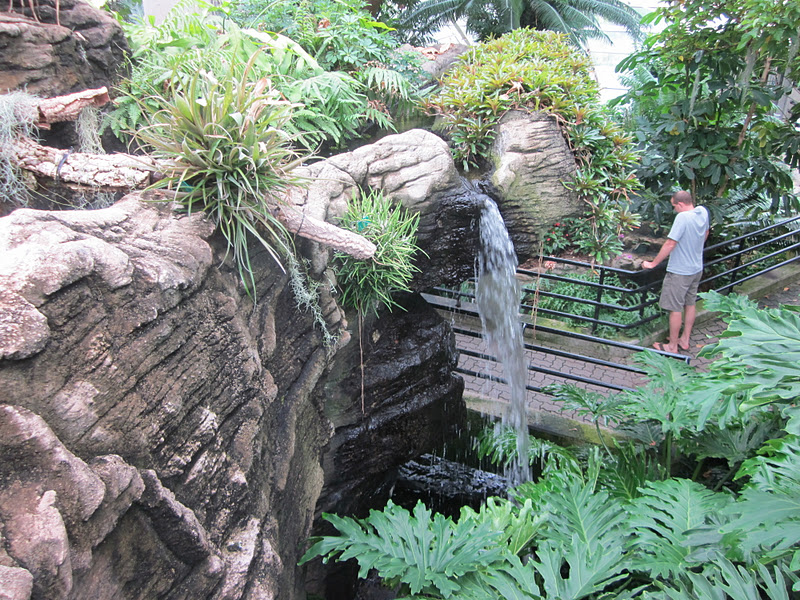
The conservatory features a 25,000 square foot seasonal garden, a tropical garden (top picture) with a gorgeous waterfall, orchids, and palms, and a desert garden. There is also a lovely outdoor area.
The conservatory is open Tuesday through Saturday from 10-5, Thursday from 10-8, and Sunday from noon - 4. Admission is $5.00 per adult and $3.00 per child.
Before I go, I thought I'd share a video of a recording from a recital I recently did. I shared it on my other blog and thought you'd like to listen, too.
Sunday, April 14, 2019
How to Get your Garden Ready in Early Spring
[image: https://www.pexels.com/photo/bloom-blooming-country-countryside-145685/]
Today's guest post is from the folks at Worx and Rockwell Tools. They're here to give you some helpful hints on things you should be doing to get your garden ready for the upcoming planting season.
How to Get Your Garden Ready in Early Spring
When spring arrives with sunny days and warm weather, many feel the impulse to embrace nature by tackling outdoor projects. From making sure your electric grass trimmer is ready for the season to getting your soil ready for your garden, there’s no shortage of tasks to complete once spring weather arrives.
Are you ready to get your spring garden underway? If so, consider starting your spring gardening with these tasks. Working through a checklist of small projects early in the season will help you get the best results from your garden this year.
Essential Early Tasks
There are some practical jobs you should handle at the start of spring to make gardening easier later on. The first one is clearing drainage ditches. Debris tends to accumulate in them during winter, which can be a problem for seeds if they require soil that drains well.
It’s also important to inspect your garden beds. If you have raised beds, check to see if any sides are bowed or leaning, and make the necessary repairs if they are. Repair any damaged trellises and fencing as well. You may need to use oscillating tool blades if the areas that need repairing are small.
For the planting area, be sure to remove or kill spring weeds from your garden beds, and apply compost to them as you get ready for planting. When completing these early tasks, you should also check your soil’s pH, making adjustments if it’s too alkaline or acidic.
Planting Vegetables & Flowers
Wait for soil to dry out before planting any vegetables and flowers, as wet soil can get compacted which ultimately prevents aeration. Additionally, check the soil for ice crystals before planting.
Keep in mind that temperatures can fluctuate during early spring. If you’re expecting a cold night, protect early spring seedlings from frost by covering them with pots, buckets, boxes, or anything else you have on hand.
Slugs often arrive with spring, too, and can pose a threat to your budding garden. Thus, it’s important to keep an eye out for them. Use barriers, bait, non-toxic slug control products, and similar means to prevent them from causing damage. Use barrier paper to guard against cabbage moths as well.
You might also have some bulbs that were kept in pots as you waited for spring to arrive. Now is the time to plant them. If you’re planting perennials, plant them in deep soil. This helps them survive during those summer droughts.
Planting Shrubs & Trees
Start tending to your existing shrubs and trees by pruning them of dead or damaged branches. It’s particularly important to prune fruit trees well prior to buds blooming. If you don’t, the trees could become overburdened, reducing the amount of fruit they produce.
If you have any young trees that were planted in the fall, you might have chosen to protect them with tree guards or wraps. Remove them to prevent the buildup of moisture, which could otherwise leave your trees vulnerable to disease.
It’s also a good idea to research the upkeep needs of the various trees in your garden. For instance, pear trees might benefit from the early application of horticultural oil sprays. Since this isn’t necessary for all trees, it helps to research the specific needs of yours.
Planning on transplanting shrubs? Do so early in the season when the soil is moist for the best results. Be cautious when using your cordless lawn mower after planting. While you want to avoid running over fresh roots or budding plants, you will want to ensure you’re keeping grass neat.
Again, it’s easy to understand why you might feel the urge to start gardening around this time of year. Remembering these points will help you prepare. By taking key steps early in the season, you’ll be much more likely to have a thriving garden as the months progress.
Tuesday, April 9, 2019
Warsaw Biblical Gardens
If you're looking for something a little bit different, check out the Warsaw Biblical Gardens in Warsaw, Indiana. The gardens cover about 3/4 of an acre and contain hundreds of plants that are named in the Bible.
The gardens were started by Saralee Levin and a few of her friends. They decided to take an eyesore and create a collection of beautiful gardens. These include a meadow, wet-dry brook, orchard, grape arbor, desert, gathering place, forest, and crop area. Each garden contains a plaque that lists the spiritual reference or biblical story associated with it.
Admission to the gardens is free, but if you want an hour-long tour, the cost is $2.00. The gardens are open from May 15th through September 15th from dawn to dusk. The best time to visit to see spring flowers is April 1 - May 1. The best time for the most color is May 14 - July 4. September to early October is best for viewing the fall meadow displays and grasses.
Subscribe to:
Posts (Atom)